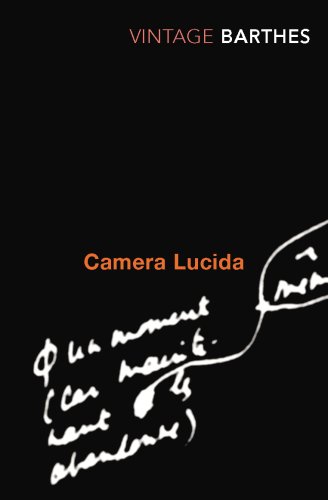
 At first glance, Roland Barthes’s Camera Lucida (1980/1981) appears to be the sort of material the author of Mythologies (1957/1972) will blow a hole through. Part a study of the nature of photographs, part a work of commemoration of the author’s mother, Barthes’s final book hovers frighteningly close to what, in his early years, he had deemed to be an act of bourgeois mythmaking: stripping a decidedly historical phenomenon of its sociopolitical traces and presenting it as an undisputable truth, a ‘nature’, a human essence. True, Camera Lucida finds Barthes’s interest turning away from the historicity of photography to its metaphysics, from the question of how a photograph signifies to what it represents, from a near-scientific system of classifying images to unwieldy pseudo-theory of the photograph, from the idea of signifier and signified to the material referent itself. (This sharply defined arc, in fact, follows closely the trajectory taken by critical theory itself.) Barthes himself makes no effort to underplay this recantation (“…a desperate resistance to any reductive system”) and keeps undermining any approach that could lead to the formation of a totalizing framework like the one proposed in that early book of his.
Camera Lucida, nevertheless, also underscores a significant attitude that illustrates an unassailable continuity between these two books – a continuity that’s most characteristic of Barthes’s thought: a vehement resistance to ‘Naming’. Both Mythologies (“[Astrology] serves to exorcize the real by naming it”) and Camera Lucida (“What I can name cannot really prick me”) work against a culture in which tends to naturalize ideas – dominant and dissenting – and provide immunity against possible threat by naming it and defining its bounds. The crucial difference, however, is that the Barthes of Mythologies, if not a full-fledged, had his sympathies overtly aligned with the Left, whereas in the latter book, written over two decades later, he seems to be holding onto an ideological zero point. Like many critics who are disillusioned by the rigidity of narratives of the Left and the Right and their daunting tendency to pigeonhole people and ideas into stable, tractable categories, Barthes, here, seeks to find the ground for a kind of writing that can not be assimilated, so to speak, by either of these ideologies.
Graham Allen, in his excellent introduction to Barthes’s works, points out that Barthes found the ideal neutral point in the figure of his own body – a site that scandalizes both the rational Left with its individualist inwardness and the moralist Right with its hedonist underpinning. Camera Lucida, perhaps also a result of his mother’s passing and his subsequent mourning, is rife with bodily terms (‘wound’, ‘laceration’ etc.) that are used not only in the evocative passages of the book, but also in association with the various theoretical terms presented. Further, Barthes extends this essential neutrality of the body to the photograph (another commonality between them being the dread of death that both invoke instantly), which, according to him, retains its wholeness, eluding the grasp of dominant forces and ultimately remaining irreducible. For him, the photograph perpetually resists mechanisms that attempt to pin down its meaning and it is in this non-thinking, non-partisan, non-determined nature (“indifferent”, “impotent with regard to general ideas”, “image without code”) of the image that its power rests.
The central theoretical framework of the book is grounded in a dichotomy between what Barthes calls the studium of a photograph –all its theorizable aspects the engagement with which necessitates the involvement of external baggage such as the observer’s political and historical awareness – and its punctum – that unaccountable, non-conscious, partly-accidental detail or feature – a point of reversibility of text, a Derridean supplement – that defies classification and sets the meaning of the photograph into play. The studium, we are told, is that which cries out to be read and around which discourses are constructed while the punctum remains invisible to precisely these forces. The latter, it appears, keeps changing shape, never becoming a concept or following what could be called an objective pattern across various photographs. Barthes’s own definition of the punctum keeps assuming various forms (“shock”, “idle gesture”, “undevelopable”, “cries out in silence” etc.), abandoning its history and avoiding coagulating into anything might be called a theory. What Barthes leaves, as a result, is the trace of a method, instead of a fleshed-out hermeneutic system, so that the readers never latch onto it, but merely discover newer ways of engaging with the photograph,
In the second part – a split among many others – of the book, Barthes moves from a description of the punctum as a material detail in the referent of the photograph – a definition that could be assimilated into the studium by artful photographers no doubt – to one that is based on an experience of time. His reading of the photograph as an “image which produces Death while trying to preserve life” plants him firmly in the tradition of image-theorists like Walter Benjamin and Siegfried Kracauer (“Seemingly ripped from death, in reality [the photographed present] has succumbed to it]”). Andre Bazin famously traced photography’s roots to Egyptian mummification process and hence to a desire to transcend mortality and preserve one’s image for eternity. Barthes, in contrast, suggests that in the photograph’s assurance that what it represents is real and has been there before the camera in flesh and blood (unlike painted objects) only invokes utter dread, a sense of “double loss” where the beholder is made aware that not only is the person she is looking at already dead now, but that he is going to die some time after the development of this photograph – a moment that the photograph directly channels. In Eduardo Cadava’s words: “memories of a mourning yet to come”. (One is reminded of Scottie’s predicament when he sees Judy after his first loss in Vertigo (1957); Barthes himself calls this experience a “vertigo of time”.)
In itself, the central idea here is not entirely unheard of. Benjamin (a writer who deeply shares Barthes’s fascination with the visual) works towards a similar relationship in his Little History of Photography (1931, “No matter how artful the photographer, no matter how carefully posed his subject, the beholder feels an irresistible urge to search such a picture for the tiny spark of contingency, of the here and now, with which reality has (so to speak) seared the subject, to find the inconspicuous spot where in the immediacy of that long-forgotten moment the future nests so eloquently that we, looking back, may rediscover it.”) and Barthes himself touches upon similar notions in his earlier essay on Eisenstein. But Camera Lucida presents it in so many seemingly tautological forms, aided in no small part by the book’s structure (a string of minor theses), which prompt the reader keep shifting perspectives, to undo and redo the mental image of the ideas the book presents. In a way, then, the book itself enacts the duality that it proposes, continuously unsettling its model of the photograph – the studia that most books are – with specific, eccentric punctum-like inflections on the text.
Camera Lucida is self-consciously grounded in on a number of such contradictory thrusts: Science and sentimentality, phenomenology and method (“I dismiss all knowledge, all culture, I refuse to inherit anything from another eye than my own”), the empirical and the theoretical, the universal and the ungeneralizable, For Barthes, such apparent paradoxes – these twin movements – are not indicators of the fallibility of his approach. Rather, it is a gesture in a direction opposite to the one taken by reductive, structuralist approaches. Instead of applying a universal rule to the specific and deeming the latter a mere variation, Barthes’s approach takes the specific – the present, the undeniable – as the starting point and extrapolates the result for every other instance in the world (“…to extend this individuality to a science of the subject”, to achieve “the impossible science of the unique being”). What he achieves by taking this almost anti-scientific route is a strong resistance to reduction of the individual – in this case, his mother. Barthes treads the precarious line between the necessity to remember his mother and the threat of his mother becoming Mother, a universal truth. (That he does not supply us with the crucial Winter Garden photograph of his mother indicates a refusal to generalize the specific). Camera Lucida is a work that conceals its radiant center, allowing us to only sense its emanations and forces us to become the center of our own image-theories. As Barthes puts it:
I am the reference of every photograph, and this is what generates my astonishment in addressing myself to the fundamental question: why is it that I am alive here and now?
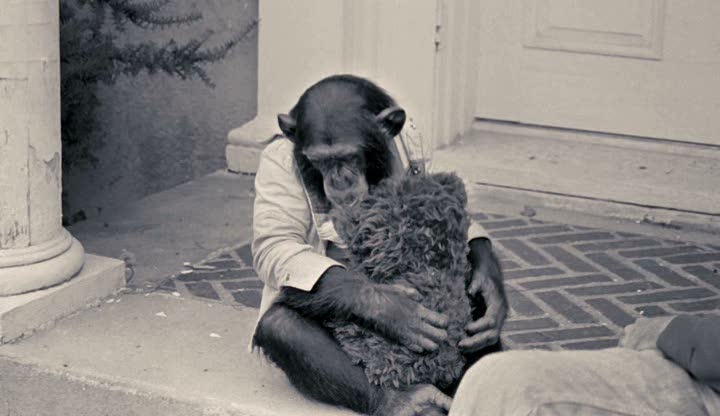
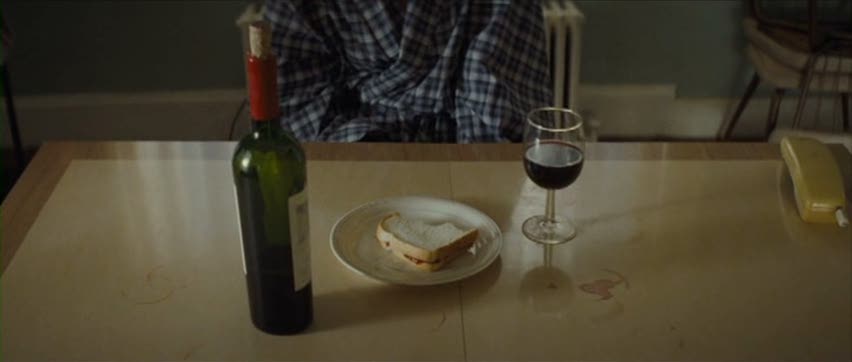
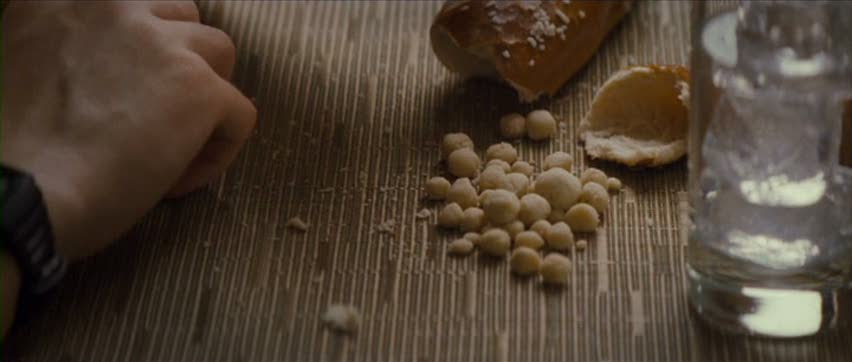
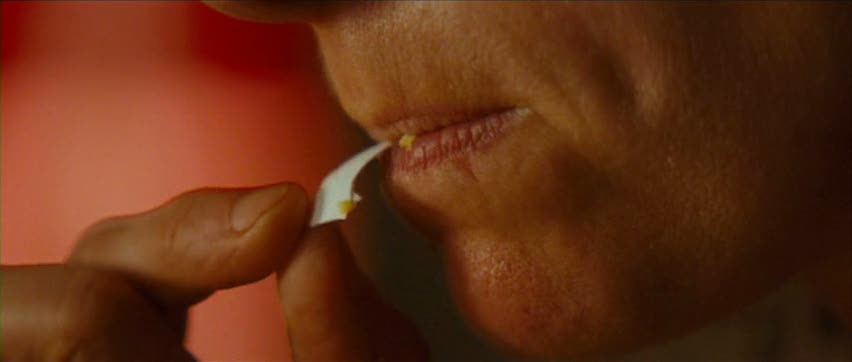
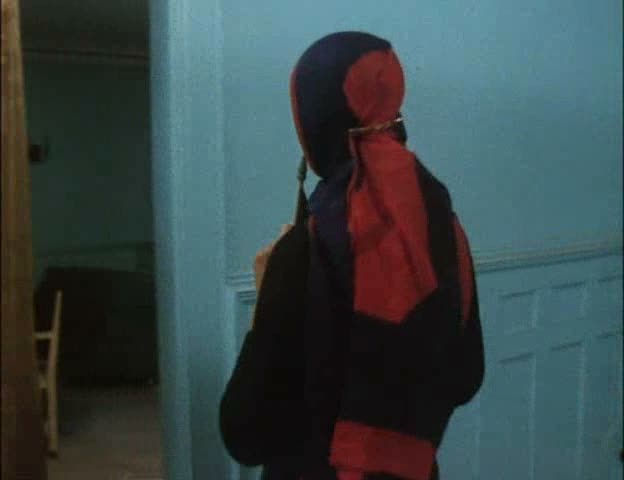
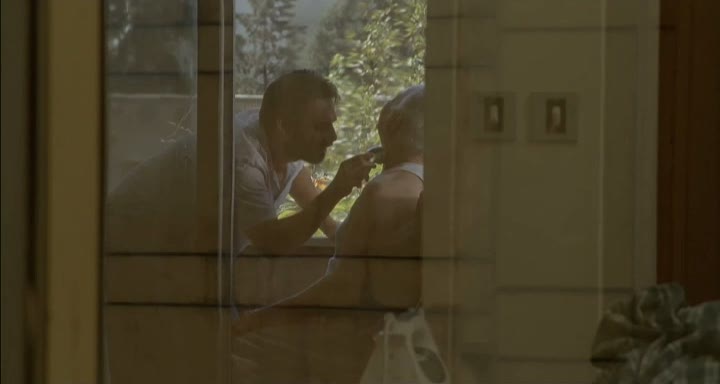
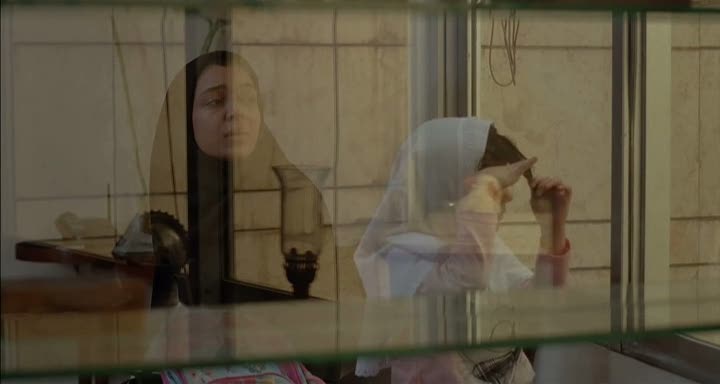
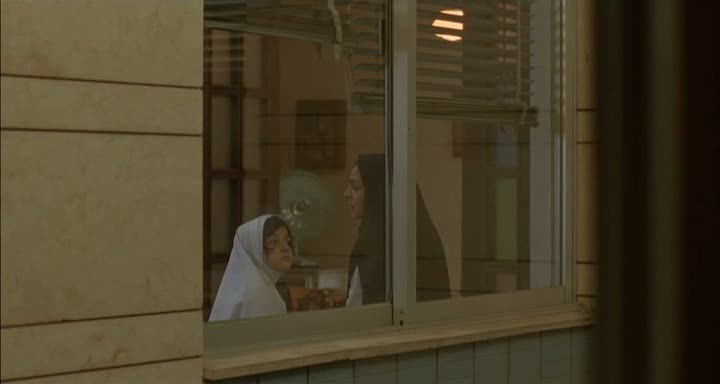
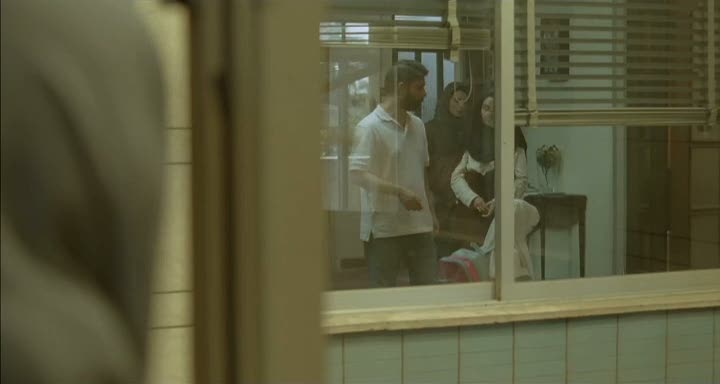
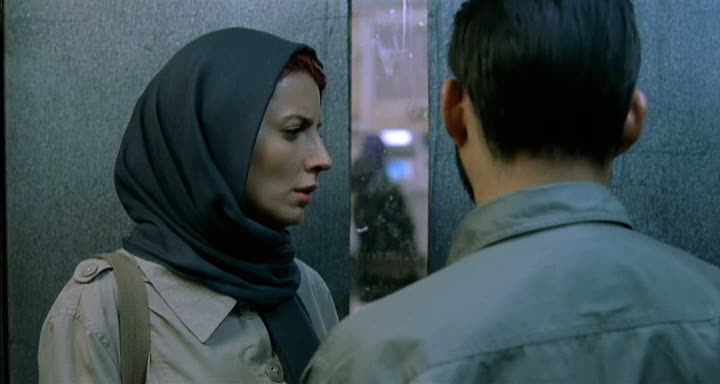
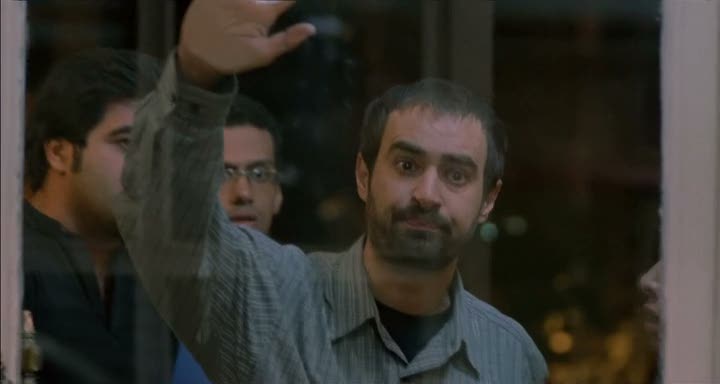
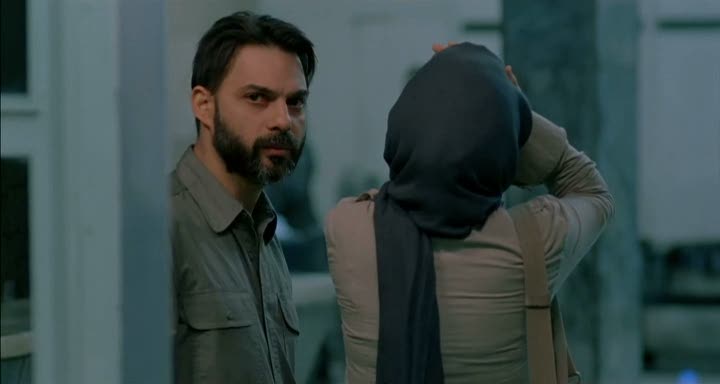
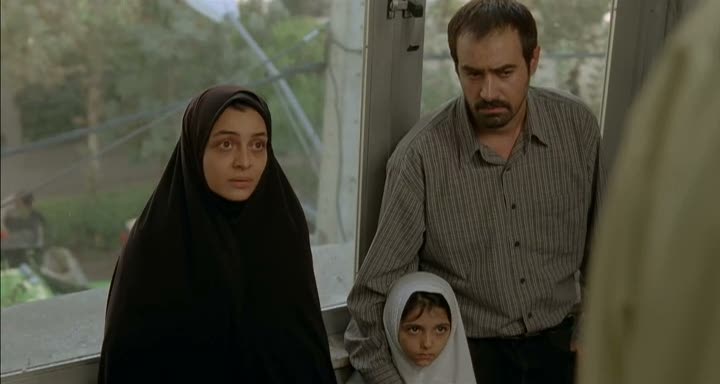
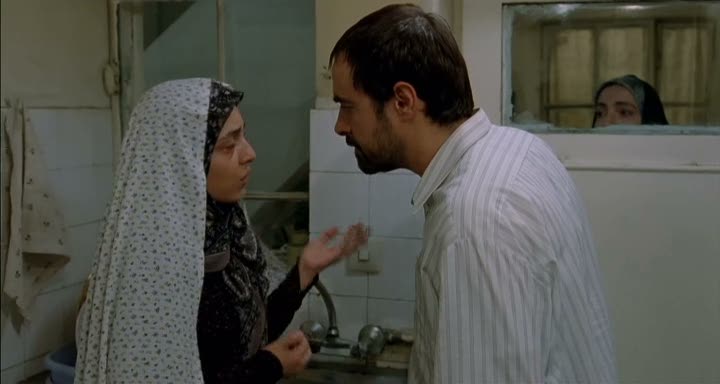
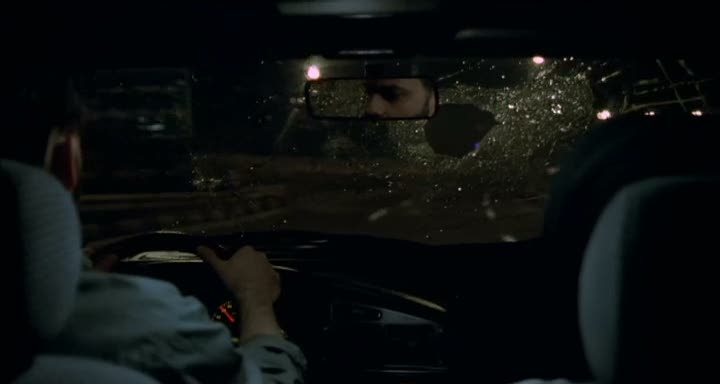
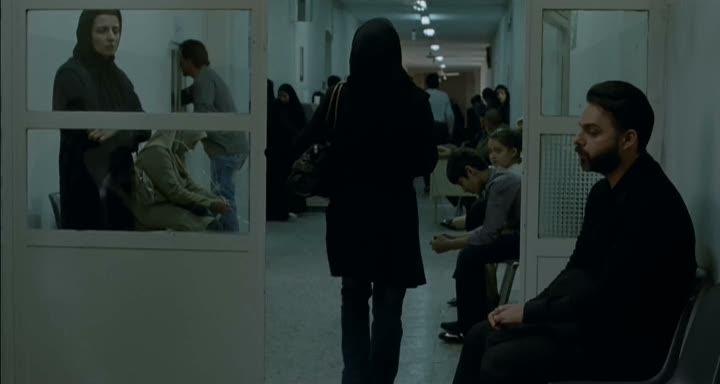
Note: There is surely something to be said about the way Barthes examines photography in opposition to cinema. For instance, his insistence that there is no possibility of a punctum in cinematic imagery, thanks to the forward-thrust of montage. I think I disagree. Going by what I understand when Barthes speaks of it, I would say that the punctum – the wounding arrow that catches one off-guard, the spark of contingency – manifests itself in various shapes and sizes in cinema. See Daniel Kasman’s writings, for instance, for the ways one can find oneself moving away from the zone of general interest – the area where films consciously work – into a field of personal commitment – that point where, perhaps, cinema betrays its photographic roots.















 The Seventh Art